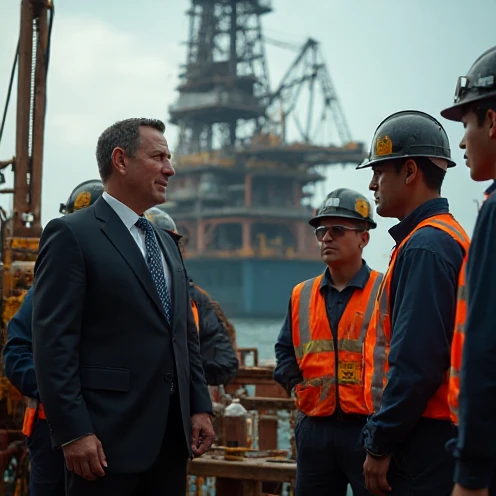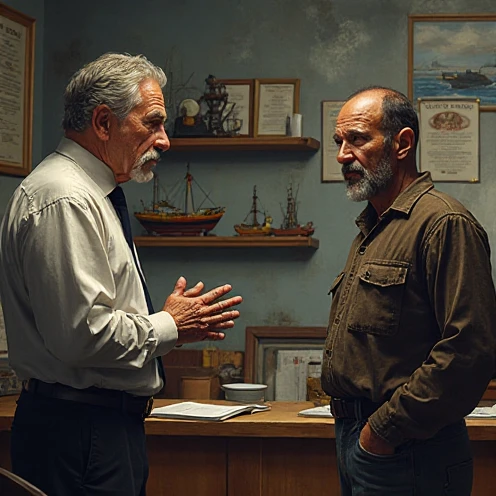
When accidents occur at sea or on offshore platforms, victims often face confusing legal challenges. A Maritime Accident Attorney is the professional who helps injured seafarers, offshore workers, and passengers navigate the complex world of maritime and offshore law. These attorneys handle cases related to vessel collisions, oil rig incidents, and other maritime injuries, ensuring that victims receive the compensation and justice they deserve.
The Role and Importance of a Maritime Accident Attorney in Offshore Law
Maritime and offshore law—also known as admiralty law—governs all activities and disputes that take place on navigable waters. A Maritime Accident Attorney represents clients involved in accidents at sea, offshore platforms, or port facilities. This branch of law includes an intricate mix of international conventions, federal statutes, and long-standing maritime traditions.
Understanding and applying these laws require deep expertise, as cases often involve multiple jurisdictions and complex liability issues. Key U.S. maritime laws include the Jones Act, the Longshore and Harbor Workers’ Compensation Act (LHWCA), and the Death on the High Seas Act (DOHSA). Each of these provides specific protections and rights for maritime workers injured or killed while on duty.
Advocating for Injured Maritime Accident Attorney and Offshore Workers
A Maritime Accident Attorney serves as a voice for maritime and offshore workers who sustain injuries while performing dangerous duties at sea. These legal professionals investigate negligence, unsafe practices, or violations of maritime safety standards that lead to accidents.
Beyond court representation, they also negotiate settlements and ensure that employers or insurance companies provide fair compensation. With their help, injured seafarers can recover lost wages, medical costs, and damages for long-term disabilities.
Core Principles Governing Maritime & Offshore Law
Maritime law operates differently from typical personal injury law. Seafarers are entitled to maintenance and cure, meaning employers must pay for their medical treatment and basic living expenses after an injury. Additionally, maritime claims often involve international jurisdiction, since many accidents occur in waters shared by multiple countries.
A skilled Maritime Accident Attorney ensures that cases are filed under the correct jurisdiction and that victims’ rights are fully protected under both U.S. and international maritime laws.
Frequent Types of Maritime and Offshore Accidents
Accidents in the maritime industry can occur in many forms. Common cases handled by Maritime Accident Attorneys include:
- Vessel collisions and ship groundings
- Explosions or fires on offshore drilling rigs
- Slip-and-fall incidents on deck
- Crane or cargo handling accidents
- Exposure to toxic chemicals or unsafe machinery
Each situation requires a precise understanding of maritime operations and liability, making experienced legal guidance essential for success.
Why Offshore Employees Depend on Maritime Accident Attorneys
Offshore oil and gas workers, ship engineers, and deckhands operate in hazardous environments. When injuries happen, their legal rights are often uncertain. A Maritime Accident Attorney interprets laws like the Jones Act, ensuring that seamen can pursue claims directly against negligent employers.
Employers sometimes attempt to minimize their responsibility, but attorneys ensure workers are treated fairly and receive proper compensation for injuries, lost income, and emotional suffering.
The Jones Act: Protecting the Rights of Seafarers
The Jones Act is a cornerstone of U.S. maritime law, providing seafarers the right to seek damages from negligent employers. A Maritime Accident Attorney helps victims gather the evidence needed to prove unsafe working conditions, defective equipment, or improper training.
This law not only covers financial damages but also prevents retaliation against employees who report unsafe practices or injuries, reinforcing accountability within the maritime industry.
Investigating Maritime Accidents Effectively
Investigating a maritime or offshore accident can be difficult because evidence may be lost or dispersed quickly. A Maritime Accident Attorney promptly conducts investigations, securing crucial details such as ship logs, maintenance records, and crew testimonies.
They also work closely with marine experts and engineers to reconstruct incidents accurately. This thorough approach ensures that negligence or safety violations are clearly established in court or settlement negotiations.
Compensation and Settlements in Maritime Law Cases
Compensation under maritime law can include lost wages, medical care, pain and suffering, and future rehabilitation expenses. A Maritime Accident Attorney calculates the total damages to ensure victims receive fair settlements that reflect both current and long-term impacts.
If employers or insurers fail to offer fair compensation, the attorney can take the case to federal court to secure a just outcome.
Supporting Families Through Maritime Fatality Claims
When maritime accidents lead to fatalities, families may pursue justice under the Death on the High Seas Act (DOHSA). A Maritime Accident Attorney assists surviving family members in obtaining financial recovery for funeral costs, loss of companionship, and emotional distress.
These cases require both compassion and strong legal knowledge, as families navigate grief while confronting powerful maritime corporations and insurers.
The Global Reach of Maritime Law
Maritime operations are international by nature. A Maritime Accident Attorney understands how international conventions such as the Maritime Labour Convention (MLC) and SOLAS (Safety of Life at Sea) apply to global cases.
These agreements protect seafarers’ rights, regardless of nationality or vessel registration. Attorneys use these global laws to ensure that all injured maritime workers—whether on U.S. or foreign ships—receive fair treatment and compensation.
Choosing the Right Maritime Accident Attorney
Finding a qualified Maritime Accident Attorney can make or break your case. Choose one with extensive experience in admiralty and offshore law, strong negotiation skills, and a proven record of successful case outcomes.
Reputable attorneys usually offer free consultations and work on a contingency fee basis—meaning they only get paid if you win. This ensures full commitment to achieving justice for the client.
Final Insights on Navigating Maritime & Offshore Law
Working at sea or on offshore platforms involves constant risk, and when accidents happen, the aftermath can be overwhelming. A Maritime Accident Attorney not only represents victims in court but also promotes a safer, fairer maritime industry.
By demanding accountability and enforcing legal protections, these attorneys help prevent future tragedies while ensuring victims and their families find justice and closure.