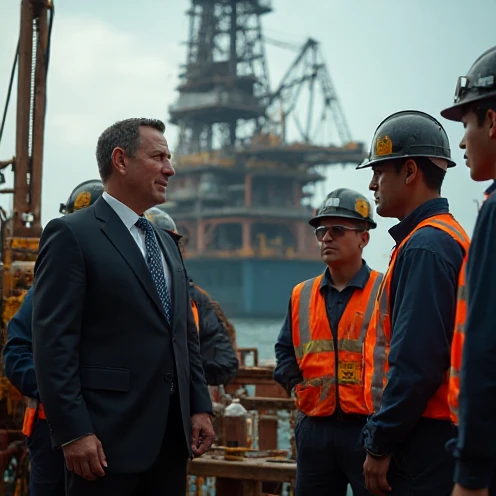
Maritime and offshore activities form the backbone of global trade and energy production, but they also present unique legal challenges. A Maritime Accident Law Firm specializes in helping offshore employees, seafarers, and vessel operators navigate complex laws when accidents or disputes occur on the high seas. These legal professionals ensure victims receive fair compensation and that maritime companies comply with safety and labor regulations under both U.S. and international law.
The Complex World of Maritime & Offshore Law
What Makes Maritime Accident Law Firm Distinct?
Maritime law—often called admiralty law—is a specialized legal framework governing incidents that happen on navigable waters. It blends federal statutes, international conventions, and centuries-old court decisions. Unlike general personal injury law, maritime accident cases are handled through federal jurisdiction, primarily under the Jones Act, the Longshore and Harbor Workers’ Compensation Act (LHWCA), and General Maritime Law.
These legal principles cover a wide range of issues, from ship collisions and offshore explosions to cargo disputes, marine pollution, and worker injuries. Understanding these distinctions helps victims choose the right legal strategy when seeking justice.
Why Victims Need a Maritime Accident Law Firm
Hiring a Maritime Accident Law Firm is essential for individuals who have suffered injuries at sea or on offshore platforms. Maritime lawyers understand the intricate jurisdictional rules and international standards that shape each case. Their expertise ensures clients can claim benefits for medical costs, lost wages, rehabilitation, and long-term disability.
Unlike standard attorneys, maritime specialists can identify employer negligence, unsafe vessel conditions, and violations of maritime safety codes—factors crucial to obtaining maximum compensation.
Seamen’s Rights Under the Jones Act
The Jones Act grants seamen the right to sue employers if negligence leads to injury. This law ensures that workers on U.S.-flagged vessels receive protection similar to land-based employees under workers’ compensation systems. Common claims include unsafe working conditions, poor maintenance, and failure to provide adequate equipment.
A maritime injury attorney assists clients by investigating evidence, interviewing witnesses, and building strong legal arguments. These protections are vital for those working long hours in high-risk maritime environments.
Offshore Injuries and Employer Accountability
Offshore platforms and oil rigs are inherently dangerous workplaces. Explosions, equipment failures, and exposure to toxic substances can cause devastating injuries or fatalities. A Maritime Accident Law Firm helps workers prove employer negligence, especially when safety regulations are ignored.
Employers are legally obligated to maintain safe conditions under OSHA and U.S. Coast Guard standards. Failing to follow these safety measures can result in both criminal penalties and civil liability for injuries sustained.
Common Types of Maritime Accident Law Firm
Maritime law addresses several accident types, each with unique legal remedies. These include:
- Vessel collisions involving ships, tankers, or tugboats
- Slip-and-fall accidents caused by slippery or poorly maintained decks
- Oil rig explosions resulting from negligence or equipment malfunction
- Machinery and crane failures leading to serious injuries on ports or vessels
Each scenario requires specialized legal representation. A skilled maritime attorney can determine the best course of action for pursuing financial recovery.
Compensation Available Under Maritime Law
Victims represented by a Maritime Accident Law Firm may qualify for several forms of compensation, including:
- Medical treatment and rehabilitation
- Lost income and diminished future earning potential
- Pain and emotional suffering damages
- Maintenance and cure benefits
The concept of “maintenance and cure” obligates employers to cover basic living expenses and medical care until a seaman fully recovers. This protection underscores the humane nature of maritime employment law.
International Maritime Law and Global Jurisdictions
Many maritime cases involve international waters and multinational companies. Treaties such as the Maritime Labour Convention (MLC) and the International Convention for the Safety of Life at Sea (SOLAS) set global standards for crew welfare and vessel safety.
A Maritime Accident Law Firm often handles cross-border disputes, collaborating with international agencies, insurers, and legal entities to ensure that victims’ rights are upheld regardless of where an incident occurs.
Environmental and Pollution Cases in Maritime Law
Environmental damage is another significant concern under maritime and offshore law. Oil spills, waste dumping, and chemical leaks can have long-lasting effects on marine ecosystems. A maritime lawyer may represent victims, fishermen, or affected communities under the Oil Pollution Act (OPA) or related international laws.
These cases require not only legal expertise but also environmental science understanding to evaluate the scale of damage and pursue just compensation or remediation orders.
The Role of a Maritime Accident Law Firm in Legal Proceedings
When negotiations fail, a Maritime Accident Law Firm steps in to represent clients in court. Their attorneys manage accident investigations, expert testimonies, and evidence documentation to establish negligence or unseaworthiness.
They also handle settlement discussions, ensuring clients receive the compensation they deserve without unnecessary delays. If needed, they proceed to federal maritime litigation for a decisive resolution.
How to Choose the Right Maritime Accident Law Firm
Selecting an experienced Maritime Accident Law Firm can make all the difference in the outcome of a case. Key factors to consider include:
- Proven experience in maritime injury and offshore accident cases
- Deep knowledge of admiralty laws and federal regulations
- A strong record of settlements and verdicts
- Clear communication and client support throughout the process
Choosing a firm that focuses exclusively on maritime law, offshore accidents, and Jones Act claims ensures that your case is handled by professionals who truly understand this specialized field.
Emerging Trends in Maritime & Offshore Law
The maritime industry is entering a new era driven by technology, automation, and sustainability. Issues such as autonomous vessels, cybersecurity risks, and green fuel compliance are becoming increasingly relevant in modern legal disputes.
Forward-thinking maritime accident attorneys must stay updated on these developments while continuing to protect workers’ safety, enforce regulations, and advocate for fair compensation in evolving offshore environments.
The Importance of Expert Maritime Legal Guidance
Maritime and offshore work is both vital and perilous. Accidents at sea can lead to severe injuries, loss of income, and long-term hardship. A Maritime Accident Law Firm provides the legal strength and knowledge needed to secure justice for those harmed by negligence or unsafe conditions. By understanding maritime law and partnering with skilled legal advocates, offshore workers can protect their rights and achieve fair compensation for their sacrifices.