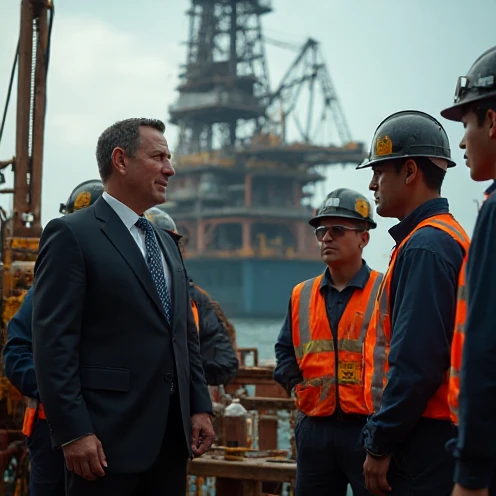
Working at sea or on offshore platforms is among the most challenging and dangerous professions. When accidents occur, injured workers often face complex legal processes that differ from traditional land-based claims. A Maritime Injury Lawyer is an essential advocate who helps seafarers and offshore employees understand their rights, file injury claims, and obtain fair compensation under maritime and offshore law. Understanding this specialized legal field is crucial for anyone whose livelihood depends on the ocean.
Understanding Maritime & Offshore Law: How a Maritime Injury Lawyer Can Protect Your Rights
Maritime and offshore law governs incidents, rights, and responsibilities related to activities at sea and navigable waters. A Maritime Injury Lawyer focuses on helping those hurt while performing their duties on vessels, docks, or offshore platforms, ensuring that justice is served and rightful compensation is received.
What Maritime Law Covers: From Vessel Accidents to Offshore Injuries
This branch of law includes a wide range of issues, such as ship collisions, cargo disputes, offshore drilling accidents, and passenger injuries. It also safeguards seafarers, engineers, oil rig workers, and fishermen, who often face high-risk environments. Because maritime work falls under unique federal laws, having a Maritime Injury ensures you are represented by someone who understands the nuances of these regulations.
Why You Need a Skilled Maritime Injury Lawyer for Offshore Claims
Unlike typical personal injury cases, maritime claims are handled under complex federal and international frameworks. A qualified Maritime Injury can identify liable parties, negotiate with insurers, and represent you in court if needed. Their experience ensures that no critical detail is overlooked in securing the compensation you deserve.
The Jones Act: A Lifeline for Injured Seafarers
The Jones Act is one of the most vital laws for maritime workers. It grants injured seamen the right to seek damages from employers whose negligence caused their injuries. A Maritime Injury helps determine eligibility under this act—typically, a seaman must spend a significant portion of their working time aboard a vessel in navigation to qualify for these protections.
Maintenance and Cure: Ensuring Seafarers’ Well-being
The doctrine of Maintenance and Cure requires employers to cover medical care (“cure”) and basic living expenses (“maintenance”) for injured seafarers until they reach full recovery. A Maritime Injury ensures that employers meet these obligations without delay or unfair reductions, safeguarding the worker’s welfare throughout the recovery process.
Offshore Injuries: Risks on Oil Rigs, Platforms, and Drilling Sites
Offshore environments are inherently hazardous due to heavy machinery, volatile materials, and unpredictable weather. Explosions, falls, and mechanical failures can lead to severe injuries. A Maritime Injury investigates the circumstances behind such accidents, pinpointing causes like improper maintenance, negligence, or safety violations to build a solid case for compensation.
Common Causes of Offshore Accidents and Legal Implications
Frequent offshore incidents stem from defective equipment, poor training, or unsafe procedures. Victims often face resistance from employers or insurers attempting to limit liability. An experienced Maritime Injury Lawyer ensures thorough documentation, witness statements, and expert evaluations are gathered to strengthen your claim.
International Maritime Law and Its Global Impact
Because maritime operations often span multiple countries, international conventions play a major role in determining liability and safety standards. Agreements like SOLAS (Safety of Life at Sea) and the Maritime Labour Convention (MLC) establish global norms for worker protection. A Maritime Injury Lawyer helps navigate these overlapping jurisdictions and ensures compliance with both U.S. and international maritime laws.
Dealing with Shipowners and Foreign Entities
In cases involving foreign-flagged vessels or international waters, identifying responsible parties can be difficult. A Maritime Injury Lawyer has the expertise to interpret complex agreements and pursue claims across borders, ensuring injured workers receive fair treatment no matter where the incident occurred.
Types of Maritime Injury Cases Handled by a Maritime Injury Lawyer
Maritime injury cases vary widely and may include:
- Slip and Fall Accidents: Often caused by slippery decks or unsteady conditions.
- Crane or Cargo Handling Injuries: Resulting from heavy machinery malfunctions or operator errors.
- Burns and Explosions: Common in offshore oil and gas environments.
- Drowning or Man Overboard Incidents: Typically linked to inadequate safety measures.
Each situation requires detailed legal evaluation, and a Maritime Injury Lawyer ensures every aspect of the case is addressed.
Legal Compensation Under Maritime Law
Injured maritime workers may qualify for compensation covering medical expenses, lost wages, pain and suffering, and sometimes punitive damages. A skilled Maritime Injury Lawyer calculates and negotiates these claims, ensuring victims are fairly compensated for both current and future financial losses.
Steps to Take After a Maritime or Offshore Accident
After sustaining an injury, workers should first report the incident, seek immediate medical care, and contact a Maritime Injury Lawyer. Early legal consultation is critical to preserving evidence and preventing employers from manipulating or undervaluing your claim.
Why Acting Quickly Is Essential for Your Maritime Claim
Maritime injury cases are bound by strict filing deadlines. Delays can jeopardize your right to compensation. With a Maritime Injury Lawyer guiding you, you can ensure your claim is filed properly and within the legal timeframe.
Choosing the Right Maritime Injury Lawyer for Your Case
Selecting the right attorney is crucial. Seek a Maritime Injury Lawyer with strong credentials, extensive experience in admiralty law, and proven success in securing settlements for injured seafarers. Reading testimonials, verifying case results, and asking detailed questions can help you make an informed decision.
Important Questions to Ask Before Hiring a Maritime Injury Lawyer
When meeting with potential lawyers, consider asking:
- How long have you practiced maritime and offshore law?
- Have you handled cases similar to mine?
- What are your fees and payment terms?
- Do you usually settle cases or go to trial?
These questions ensure you find a trustworthy Maritime Injury Lawyer who understands your needs and prioritizes your recovery.
Final Thoughts: Safeguarding Maritime Workers’ Rights
Maritime and offshore employees face exceptional risks every day. When injuries occur, having a dedicated Maritime Injury Lawyer on your side can make all the difference. They protect your rights, fight for justice, and help you secure the compensation needed to rebuild your life. If you or someone you know has been hurt while working at sea, reach out to a professional Maritime Injury Lawyer today to explore your legal options and secure the future you deserve.