The Vital Role of a Maritime Personal Injury Attorney in Offshore Incidents
A Maritime Personal Injury Attorney is essential for protecting the rights of seafarers, offshore laborers, and maritime professionals who sustain injuries while working at sea. Maritime and offshore law can be intricate, and understanding how it applies to these workers is critical for anyone involved in the maritime industry. This branch of law governs everything from vessel operations to offshore drilling, ensuring that those who risk their safety at sea receive proper legal protection and compensation when accidents happen.
In this in-depth article, we’ll explore how maritime law functions, the major statutes that safeguard injured seamen, and the ways in which a Maritime Personal Injury Attorney can help victims recover losses after an accident. As global trade and offshore energy continue to expand, the importance of knowledgeable legal representation in maritime injury cases has never been greater.
Understanding Maritime and Offshore Law
Maritime law—also known as admiralty law—applies to activities and disputes on navigable waters. It governs shipping, navigation, seafaring, and marine commerce. Offshore law extends these principles to ocean-based industries such as drilling, exploration, and resource extraction.
A Maritime Personal Injury must have in-depth knowledge of both international maritime treaties and U.S. laws like the Jones Act and the Longshore and Harbor Workers’ Compensation Act (LHWCA). These laws ensure injured maritime workers can claim fair compensation for their losses.
The Jones Act: Cornerstone of Seafarers’ Legal Protection
The Jones Act, established in 1920, gives seamen the right to sue employers for injuries resulting from negligence. Unlike standard workers’ compensation systems, it requires proof of employer fault but allows for broader damages.
An experienced Maritime Personal Injury assists clients by gathering evidence, demonstrating negligence, and calculating compensation for lost wages, medical costs, and pain and suffering. If a vessel operator neglects safety protocols and a worker gets injured, that worker can pursue a Jones Act claim for justice.
Frequent Causes of Maritime and Offshore Injuries
Working offshore exposes crews to numerous risks. Common causes of injury include:
- Slippery decks and unmaintained surfaces
- Faulty or outdated equipment
- Lack of proper safety training
- Falling overboard
- Fires, explosions, and machinery defects
- Toxic chemical exposure
A Maritime Personal Injury Attorney examines every detail of an incident, consulting with experts to establish fault and ensure the victim’s story is represented accurately in court.
Maintenance and Cure: The Seaman’s Right to Recovery
Under maritime law, injured seamen are entitled to “maintenance and cure”—covering daily living expenses and medical treatment until full recovery. This right applies regardless of fault or cause.
Unfortunately, employers sometimes withhold or limit these payments. A Maritime Personal Injury Attorney fights to ensure injured workers receive all benefits they deserve and holds negligent employers accountable for bad-faith actions.
Offshore Oil Rig Accidents and Legal Challenges
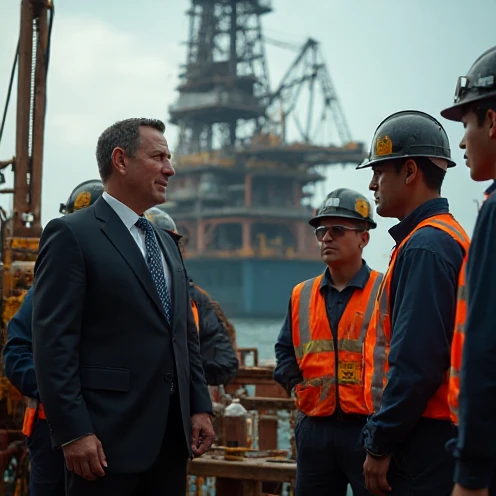
Offshore drilling sites, especially oil and gas rigs, are among the most hazardous workplaces in the world. Explosions, equipment failures, and human error can cause catastrophic injuries or death.
A skilled Maritime Personal Injury Attorney understands the complex overlap between state, federal, and international laws that govern offshore rigs. They also handle multi-jurisdictional issues that arise when accidents occur in international waters or involve foreign-owned vessels.
Establishing Liability in Maritime Personal Injury Attorney Claims
Determining liability in maritime injury cases can be complex. Responsible parties may include the vessel owner, operator, contractors, or even manufacturers of faulty equipment.
A Maritime Personal Injury gathers logs, safety reports, and witness statements to build a strong case. They must show that negligence or an unseaworthy vessel caused the injury. This requires a deep understanding of maritime safety regulations and maintenance standards.
Types of Compensation forMaritime Personal Injury Attorney Workers
Injured maritime workers may receive compensation for:
- Lost income and future earning capacity
- Medical treatment and rehabilitation
- Pain and suffering
- Psychological distress
- Permanent disability or disfigurement
A dedicated Maritime Personal Injury Attorney ensures no financial loss goes unnoticed, preparing comprehensive claims that reflect both current and long-term damages.
Choosing the Right Maritime Personal Injury Attorney
Selecting the right attorney can dramatically influence the outcome of a maritime case. Expertise in admiralty law, experience in federal maritime courts, and knowledge of industry safety practices are essential traits.
A reputable Maritime Personal Injury Attorney not only advocates for justice but also guides clients through emotional and financial challenges. Their commitment ensures seafarers are treated with fairness and dignity throughout the legal process.
The Evolving Future of Maritime and Offshore Law
As technology reshapes maritime industries—with automation, offshore wind energy, and digital navigation—new legal challenges emerge. Modern maritime law must adapt to innovations and environmental standards.
A forward-thinking Maritime Personal Injury Attorney stays current with these developments, ensuring clients’ rights remain protected amid changing global maritime policies.
Final Thoughts: Safeguarding the People Who Work at Sea
The maritime sector is vital to global commerce but remains fraught with hazards. When injuries occur, having a Maritime Personal Injury Attorney on your side can make all the difference.
By understanding maritime and offshore law, injured seafarers can secure rightful compensation and peace of mind. Whether on cargo ships, fishing boats, or oil platforms, every worker deserves protection and justice under the law.