Maritime And Admiralty Law, also known as the law of the sea, serves as the foundation for legal matters related to oceanic trade, navigation, and marine operations across international waters. This field of law ensures that global shipping, offshore activities, and marine commerce operate smoothly and fairly under internationally recognized legal standards. By defining responsibilities among shipowners, seafarers, and governments, Maritime And Admiralty Law keeps the world’s maritime system functioning efficiently and safely.
In the modern era, where over 90% of global goods are transported by sea, understanding Maritime And Admiralty Law is essential. From regulating vessel ownership and marine insurance to addressing environmental protection and crew welfare, this branch of law provides clarity in a complex and interconnected maritime world.
The Historical Evolution of Maritime And Admiralty Law
The roots of Maritime And Admiralty Law can be traced back to ancient maritime codes developed by early seafaring civilizations like the Phoenicians, Greeks, and Romans. These early laws influenced later European systems, including the English Admiralty Courts, which established the foundation for today’s international maritime regulations.
Over time, treaties such as the International Convention for the Safety of Life at Sea (SOLAS) and the United Nations Convention on the Law of the Sea (UNCLOS) have unified global maritime standards. This historical evolution highlights the law’s adaptability and its vital role in shaping modern global trade.
Jurisdiction and Global Authority in Admiralty Law
Determining jurisdiction under Maritime And Admiralty Law can be complex because incidents at sea often involve multiple nations. Legal authority depends on factors like a vessel’s flag state, the location of the event, and international treaties.
In some cases, admiralty courts can claim jurisdiction beyond national borders — especially when disputes involve international cargo or ship collisions in high seas. By applying consistent global principles, maritime courts ensure that justice transcends borders and promotes fairness in global shipping.
The Vital Role of Maritime Lawyers and Legal Experts
Maritime lawyers handle a wide range of legal concerns, including vessel ownership disputes, crew injury claims, and environmental violations. They also manage contractual issues related to charter parties, marine insurance, and offshore energy projects.
Their role extends to representing clients before maritime arbitration panels and international courts. By blending knowledge of both domestic and international maritime law, these attorneys safeguard the rights of shipowners, cargo operators, and seafarers alike.
Maritime Contracts and Commercial Shipping Agreements
Contracts form the backbone of global shipping. In Maritime And Admiralty Law, agreements such as bills of lading, charter parties, and ship financing arrangements dictate how maritime commerce operates.
Disagreements often arise over cargo delivery delays, damaged goods, or payment defaults. By establishing clear legal terms, these contracts minimize risks, encourage fair trade, and uphold transparency among global shipping stakeholders.
Maritime Liens, Vessel Arrests, and Legal Remedies
A distinctive feature of Maritime And Admiralty Law is the maritime lien — a legal claim placed on a vessel for unpaid debts, wages, or damages. Unlike other liens, it remains attached to the vessel even when ownership changes.
When financial disputes escalate, courts may authorize the arrest of a ship until obligations are settled. This legal remedy protects creditors and reinforces accountability within the maritime industry, ensuring that obligations are fulfilled before vessels resume operation.
Marine Insurance and Global Risk Management
Marine insurance is a crucial component of maritime law, providing protection against perils such as collisions, piracy, and cargo loss. The main types include hull insurance, cargo insurance, and protection and indemnity (P&I) coverage.
Effective marine risk management goes beyond insurance policies. It involves compliance with international safety conventions, regular vessel inspections, and adherence to port regulations to reduce liability and operational disruptions.
Environmental Protection and Pollution Control in Maritime Operations
Modern Maritime And Admiralty Law places strong emphasis on environmental preservation. The International Maritime Organization (IMO) enforces conventions like MARPOL to limit pollution from ships and offshore platforms.
Failure to comply with these environmental laws can result in heavy fines, detentions, and even criminal prosecution. Therefore, ship operators and owners must adopt sustainable practices, such as managing ballast water and reducing emissions, to ensure compliance and protect marine ecosystems.
Offshore Operations and Energy Exploration Laws
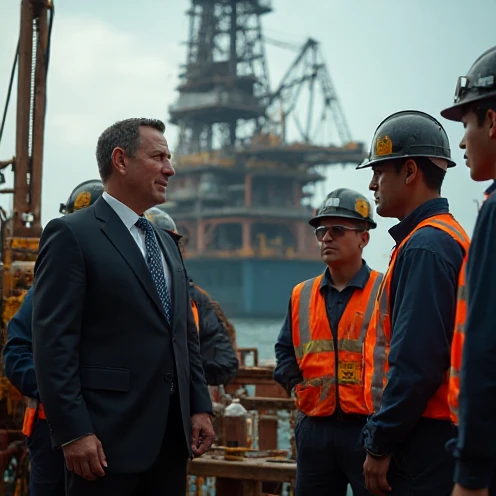
Offshore activities — including oil drilling, gas extraction, and renewable energy installations — fall under the jurisdiction of Maritime And Admiralty Law. These ventures involve multiple parties, environmental risks, and complex contracts that define responsibilities and liabilities.
Because such operations often take place in international waters, determining applicable law and jurisdiction requires expertise. Legal compliance ensures safe offshore development while balancing environmental and economic interests.
Seafarers’ Rights and the Maritime And Admiralty Law Labour Convention
Seafarers play an indispensable role in global trade, and Maritime And Admiralty Law provides strong protection for their welfare through the Maritime Labour Convention (MLC). This treaty ensures fair wages, working conditions, and repatriation rights.
Shipowners who fail to uphold these standards face penalties and operational suspensions. Protecting crew members not only promotes ethical business practices but also enhances the safety and efficiency of global shipping.
Dispute Resolution and Maritime Arbitration Practices
Given the international nature of maritime trade, conflicts are inevitable. Maritime arbitration and mediation offer efficient alternatives to traditional court proceedings. Institutions like the London Maritime Arbitrators Association (LMAA) and Singapore Chamber of Maritime Arbitration (SCMA) are key venues for resolving such disputes.
These mechanisms allow parties to reach fair outcomes in neutral settings, saving time and preserving business relationships — a critical advantage in the fast-paced world of international shipping.
The Future of Maritime And Admiralty Law in a Technological Era
As technology transforms the maritime industry, Maritime And Admiralty Law continues to adapt. New challenges arise from autonomous ships, cyber risks, and digital trade systems. Legal frameworks are evolving to address these innovations while maintaining safety and accountability.
Furthermore, climate change, environmental sustainability, and geopolitical tensions are reshaping the legal landscape of the seas. The future of Maritime And Admiralty Law will depend on how effectively global institutions harmonize these emerging concerns with existing maritime principles.