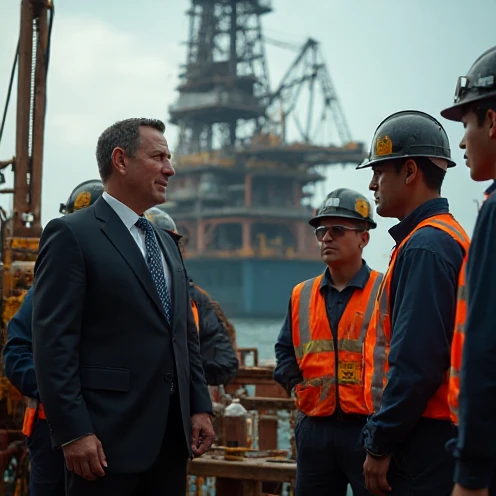
Oilfield accidents are among the most devastating workplace incidents in the energy sector, often resulting in serious injuries, fatalities, and environmental harm. These accidents don’t just affect workers—they also have far-reaching impacts on families, communities, and companies. Understanding how and why oilfield accidents happen, along with the legal rights of those involved, is essential for ensuring justice and promoting safer working environments.
The Hidden Dangers Behind Oilfield Accidents
Oilfields are inherently dangerous places where workers deal with hazardous chemicals, massive machinery, and unpredictable conditions every day. Even a minor error can lead to a catastrophic event such as an explosion or spill. The mix of pressurized equipment, flammable materials, and intense work schedules makes oilfield accidents tragically common.
Equipment Failures and Mechanical Malfunctions
One of the most frequent causes of oilfield accidents is faulty equipment. Broken machinery, defective valves, or worn-out parts can quickly lead to blowouts or fires. When companies neglect routine maintenance or use outdated technology, the risk multiplies. Regular inspections and preventive maintenance can make a significant difference in avoiding mechanical disasters.
Human Error and Lack of Safety Training
Human mistakes are another critical factor behind oilfield accidents. Workers often face long shifts and extreme fatigue, which reduce alertness and increase the likelihood of accidents. Inadequate training or improper supervision further compounds the danger. Comprehensive training programs and a strong safety culture are vital to keeping workers protected.
Legal Responsibilities in Oilfield Accident Cases
When oilfield accidents occur, determining liability is essential. Several parties can share responsibility — including employers, contractors, and equipment manufacturers. Each has a legal obligation to provide a safe work environment and comply with safety regulations.
The Employer’s Duty of Care
Employers must protect workers by offering safety training, functional equipment, and a secure work setting. Failure to meet these standards can result in lawsuits or workers’ compensation claims. Employers must also adhere to federal safety guidelines established by the Occupational Safety and Health Administration (OSHA).
Contractors and Manufacturers’ Liability
Sometimes, third-party contractors or equipment producers are at fault. If a defective part or unsafe subcontracting practice leads to injury, these entities may be legally responsible. Holding all negligent parties accountable is essential for full justice and compensation.
Oilfield Accidents: Common Injuries Resulting from Oilfield Accidents
Oilfield workers face multiple hazards daily, which often lead to severe or fatal injuries. Understanding the nature of these injuries helps illustrate the importance of strict safety enforcement and legal protection.
Burns, Explosions, and Chemical Exposure
Explosions and fires are among the most common and severe types of oilfield accidents. Workers can sustain second or third-degree burns, respiratory problems, or chemical poisoning. Proper safety gear and emergency procedures are essential for minimizing these risks.
Falls and Crushing Accidents
Falls from drilling platforms or collapsing structures can result in spinal injuries or fatalities. Similarly, heavy machinery accidents can crush limbs or cause permanent disabilities. Consistent safety checks and fall protection measures save lives in such high-risk environments.
Investigating an Oilfield Accident
A thorough investigation is vital after any oilfield accident. Collecting evidence and determining the cause ensures that those responsible are held accountable.
Gathering Evidence and Witness Accounts
Immediately after an accident, it’s important to document the scene through photos, videos, and written statements. Witness testimonies can strengthen a case and help reconstruct the sequence of events. Timely evidence collection can make or break a legal claim.
Seeking Legal Counsel
Hiring an experienced oilfield accident lawyer can make a significant difference. Legal professionals who specialize in industrial accidents know how to handle complex cases, negotiate settlements, and ensure victims get the compensation they deserve.
OSHA’s Role in Preventing Oilfield Accidents
The Occupational Safety and Health Administration (OSHA) enforces safety standards that protect oilfield workers. Compliance with these regulations is non-negotiable for companies operating in the oil and gas industry.
OSHA Regulations and Employer Obligations
OSHA requires regular inspections, safety training, and proper maintenance of equipment. Employers who ignore these standards risk penalties and lawsuits. Prioritizing compliance prevents accidents and fosters a safer workplace.
Oilfield Accidents: Reporting Safety Violations
Workers should report unsafe conditions without fear of retaliation. OSHA’s whistleblower protections ensure that workers can speak up about hazards and contribute to safer work environments for everyone.
Oilfield Accidents: Compensation for Oilfield Accident Victims
Victims of oilfield accidents may be entitled to financial compensation depending on the situation. Legal claims help cover medical expenses, lost wages, and emotional suffering.
Workers’ Compensation and Lawsuits
In most cases, injured employees can file for workers’ compensation benefits. However, if negligence or intentional misconduct caused the accident, victims may pursue personal injury or product liability lawsuits for additional damages.
Wrongful Death and Family Claims
Families who lose a loved one in an oilfield accident can file wrongful death claims. These lawsuits seek justice for the deceased while providing financial stability for the surviving family members.
Oilfield Accidents: Preventing Future Oilfield Accidents
Prevention begins with strong leadership and a commitment to safety. Employers who invest in safety technology, employee training, and hazard awareness reduce the likelihood of tragedy.
Safety Training and Continuous Improvement
Regular safety drills and refresher courses help workers stay prepared for emergencies. A culture of continuous learning and improvement is key to maintaining safe operations.
Leveraging Technology for Safer Worksites
Modern monitoring tools and automated systems can identify equipment malfunctions before they lead to accidents. Implementing such innovations ensures proactive prevention rather than reactive response.
Oilfield Accidents: The Role of Legal Experts After an Oilfield Accident
Legal assistance is invaluable for workers navigating the aftermath of an oilfield accident. Attorneys can analyze evidence, negotiate with insurance companies, and represent victims in court if necessary.
Pursuing Justice and Long-Term Recovery
Beyond financial compensation, pursuing a case ensures that negligent parties are held responsible. This accountability encourages safer practices across the industry, protecting future workers from similar harm.
Oilfield Accidents: Building a Safer Future in the Oilfield Industry
Oilfield accidents remain a major concern in the energy sector, but awareness, accountability, and legal action can drive meaningful change. When workers understand their rights and companies commit to safety, lives are saved and justice prevails. If you or a loved one has been affected by an oilfield accident, seek professional legal guidance immediately — your future and safety depend on it.