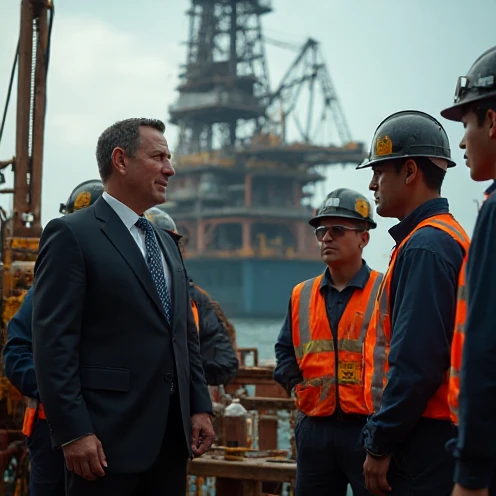
A Maritime Attorney serves as an essential legal guide for individuals and businesses involved in maritime and offshore activities. From shipowners to offshore workers, these specialized lawyers help navigate the intricate legal frameworks that govern operations on the open sea, ensuring compliance and protecting the rights of those who work or do business in this high-risk environment.
The Role of a Maritime Attorney in Maritime & Offshore Law
Maritime law—often referred to as admiralty law—covers legal issues that arise on navigable waters. A Maritime Attorney handles a wide range of cases, including ship collisions, cargo claims, offshore injuries, and marine environmental disputes. They apply both domestic and international legal principles to protect the interests of shipowners, seafarers, and maritime companies.
Their work involves interpreting complex maritime conventions and regulations, such as those set by the International Maritime Organization (IMO) and the United Nations Convention on the Law of the Sea (UNCLOS). Whether defending clients in court or advising on compliance, a maritime lawyer plays a critical role in maintaining legal order across global waters.
Understanding Maritime & Admiralty Jurisdiction
One of the most fundamental aspects of maritime law is jurisdiction—determining which court has the authority to hear a maritime dispute. A Maritime Attorney must skillfully navigate between state and federal jurisdictions in the U.S., as admiralty cases often fall under federal law.
International cases can be even more complex. When incidents occur in international waters, multiple legal systems might apply. Maritime lawyers rely on statutes like the Jones Act and the Longshore and Harbor Workers’ Compensation Act to ensure proper legal coverage for maritime workers.
Key Areas Covered by Maritime Attorneys
A Maritime Attorney manages diverse types of cases that include:
- Personal Injury and Wrongful Death Claims – Representing seafarers and offshore employees injured during their work at sea.
- Shipping and Cargo Disputes – Handling contractual disagreements, cargo damage, and liability claims.
- Marine Insurance Matters – Assisting clients with claims and coverage for vessels, cargo, and equipment.
- Environmental Compliance – Guiding companies to adhere to pollution prevention and marine conservation regulations.
- Salvage and Towage Rights – Resolving disputes related to maritime salvage operations and recovery efforts.
Each area requires advanced knowledge of maritime legislation, insurance rules, and international trade practices.
The Importance of Offshore Law for Maritime Companies
Offshore industries such as oil exploration, subsea engineering, and renewable energy projects depend on the principles of offshore law. A Maritime Attorney helps these organizations comply with safety, labor, and environmental standards set by both national and international authorities.
Because offshore operations are inherently risky, maritime lawyers ensure that employees working on oil rigs, drilling platforms, or offshore vessels are legally protected under the Outer Continental Shelf Lands Act (OCSLA). They also assist companies in drafting contracts that clearly define risk responsibilities and liabilities.
How a Maritime Attorney Assists in Marine Insurance Claims
Marine insurance is one of the most vital yet complicated aspects of maritime business. A Maritime Attorney helps clients interpret insurance policies, negotiate settlements, and resolve disputes arising from ship damage, lost cargo, or accidents at sea.
When disagreements occur, maritime lawyers provide representation in arbitration or court. They rely on precedents and marine insurance law to secure fair outcomes for shipowners and cargo interests alike, ensuring claims are handled efficiently and legally.
Maritime Attorney in Environmental Protection Cases
Environmental responsibility is an increasingly significant part of maritime law. A Maritime Attorney plays an important role in helping shipping and offshore companies comply with environmental legislation such as the Oil Pollution Act of 1990 (OPA) and the MARPOL Convention.
They assist clients in pollution-related investigations, negotiate with environmental agencies, and help implement preventive measures. By ensuring adherence to these laws, maritime attorneys help protect marine ecosystems and reduce companies’ exposure to severe penalties.
The Jones Act: Protecting Seafarers’ Rights
The Jones Act is one of the most vital protections for seafarers in the United States. It allows maritime workers injured on the job to pursue compensation from their employers for negligence or unsafe working conditions. A Maritime Attorney builds these cases by gathering evidence, interviewing witnesses, and presenting strong arguments in court.
Since maritime injuries often lead to long-term physical and financial hardship, these attorneys fight to secure fair compensation covering medical expenses, lost income, and emotional distress.
Offshore Accidents and the Role of a Maritime Attorney
Accidents on offshore platforms, vessels, or underwater facilities can be catastrophic. A Maritime Attorney provides vital legal support for affected workers, contractors, and maritime companies following incidents such as explosions, equipment failures, or falls.
These attorneys investigate causes, ensure safety protocols were followed, and pursue rightful claims through negotiation or litigation. They also help employers strengthen safety programs to prevent future accidents and minimize potential liabilities.
International Maritime Law and Global Compliance
The maritime industry functions within an international framework that involves treaties and conventions. A Maritime Attorney helps clients interpret and apply international regulations like UNCLOS, SOLAS, and MARPOL to ensure that ships and offshore operations meet global standards.
These laws govern everything from navigation rights to environmental responsibilities. By ensuring compliance, maritime attorneys help clients avoid detentions, fines, and disputes that can disrupt global trade.
Choosing the Right Maritime Attorney for Your Case
When choosing a Maritime Attorney, clients should consider experience, area of specialization, and past case results. For instance, those dealing with offshore injuries should seek a lawyer familiar with the Jones Act, while corporations might prefer attorneys who specialize in marine insurance or regulatory compliance.
An experienced maritime lawyer brings not only legal knowledge but also practical understanding of marine operations, enabling them to navigate technical issues that other lawyers might overlook.
Future Trends in Maritime & Offshore Law
As the maritime world evolves, so does its legal landscape. Today’s Maritime Attorneys must be well-versed in emerging areas like autonomous vessels, cybersecurity risks in shipping, and sustainable maritime energy.
Offshore wind farms and renewable marine projects are creating new legal challenges, from environmental permits to cross-border regulatory compliance. Maritime lawyers are at the forefront of shaping these modern legal frameworks, ensuring that innovation at sea remains both lawful and sustainable.
Conclusion: The Essential Role of a Maritime Attorney
The Maritime Attorney stands as a cornerstone of safety, compliance, and justice in the maritime and offshore sectors. These professionals protect seafarers’ rights, ensure businesses adhere to international standards, and defend clients in complex legal waters.
Whether handling an offshore accident, negotiating insurance claims, or advising corporations on compliance, the maritime lawyer’s role remains indispensable. In a world where commerce and the oceans intersect, their expertise keeps global maritime activity secure, lawful, and efficient